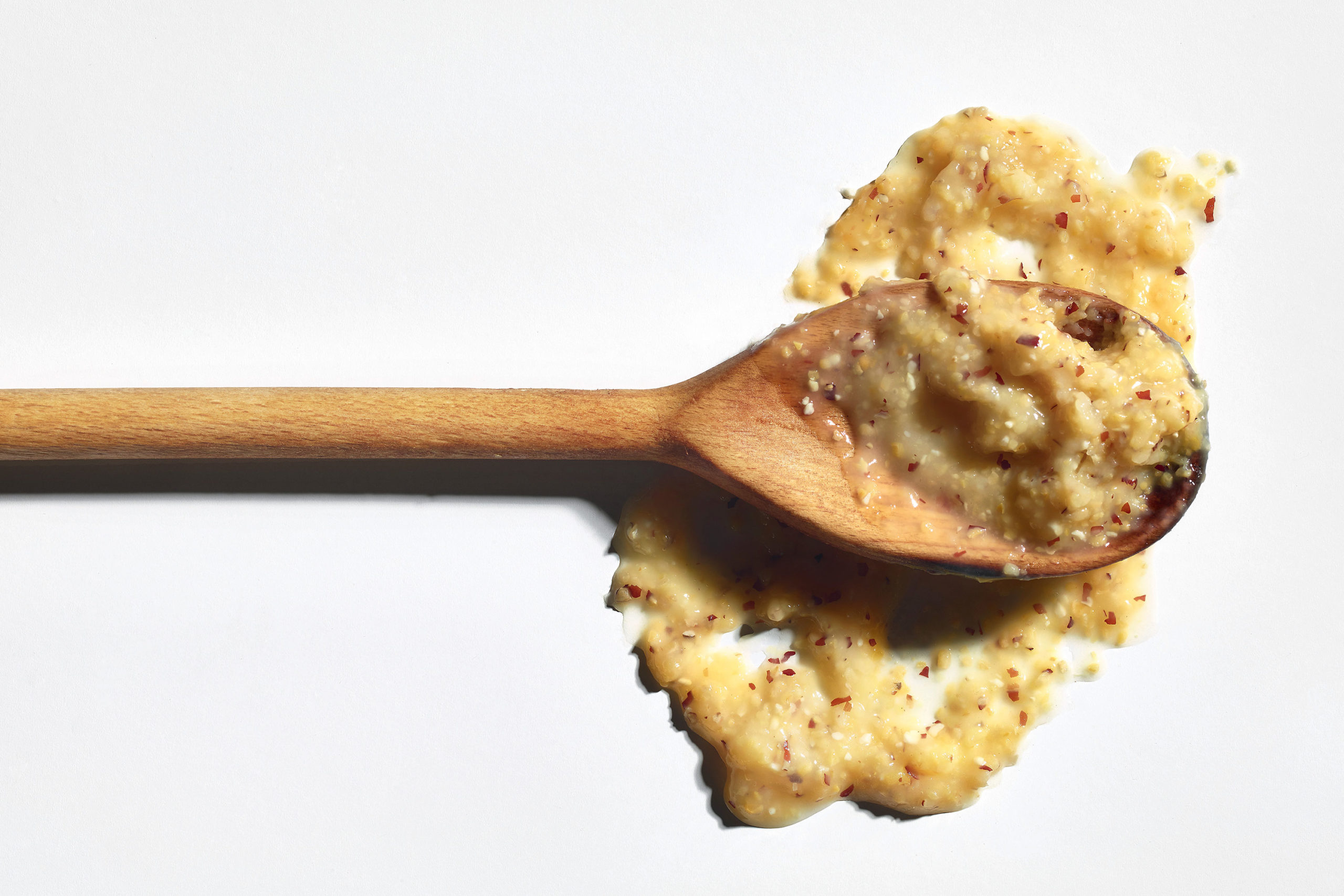
The Enduring Legacy of Grits: More Than Just a Meal
In the vast landscape of American cuisine, few dishes evoke a sense of warmth, history, and comfort quite like grits. This humble yet profoundly versatile food, deeply rooted in the American South, transcends its simple ingredients to become a cultural touchstone. At its core, grits consist of coarsely ground corn kernels—typically from varieties like dent corn or hominy—boiled gently in water or milk until they transform into a creamy, porridge-like consistency. From a plain, comforting base adorned with just butter and salt, to an elaborate foundation for succulent shrimp or savory sausage, grits are a testament to culinary adaptability and regional identity.
The journey of grits is a fascinating narrative, stretching back thousands of years to the Indigenous peoples of the Americas. As early as 7,000 B.C. in Mesoamerica, dried maize was ground into a coarse meal, a practice later adopted by tribes like the Muskogee, Cherokee, and Creek in the southeastern United States. These native communities were pioneers in corn processing, developing sophisticated techniques such as nixtamalization. This ancient method involved treating corn kernels with an alkaline solution, often derived from hardwood ash, which removed the tough outer hull and dramatically improved the corn's nutritional value, making essential amino acids and B vitamins more bioavailable and preventing deficiencies like pellagra. Indigenous tools, like the Cherokee's kanona (a wooden pestle), were central to preparing this treated corn, illustrating a deep historical connection that long predates European arrival. If you're curious to dive deeper into this rich heritage, explore The Rich History of Grits: From Indigenous Roots to Southern Icon.
When European settlers encountered these corn-based preparations in the 16th and 17th centuries, they adapted them, eventually giving rise to what we now know as grits—a term believed to stem from the Old English word grytt, meaning coarse meal. Over time, grits became an affordable, nutrient-dense food, especially vital for impoverished communities, including enslaved Africans in the South who skillfully incorporated it into their daily meals, solidifying its irreplaceable role in regional diets. Today, grits hold a prominent cultural place, celebrated across the "Grits Belt" stretching from Texas to Virginia, and even designated as the official state food of South Carolina in 1976. Events like the World Grits Festival in St. George, South Carolina, and National Grits Day on April 14th further underscore its enduring popularity and culinary significance.
Unveiling the Diverse World of Grits Varieties
While the essence of grits remains consistent, the world of grits offers surprising diversity, primarily distinguished by how the corn is processed. Understanding these varieties is key to selecting the perfect grits for your desired texture, flavor, and cooking time.
The Main Types of Grits:
- Stone-Ground Grits: These are the traditionalists' choice. Stone-ground grits are made by grinding dried corn kernels between two large stones, a process that results in a coarser, more irregular texture. This method also retains more of the corn's bran and germ, imparting a richer, more robust corn flavor and a chewier consistency. While they require the longest cooking time (often 45 minutes to an hour), the depth of flavor and satisfying texture are well worth the wait, making them a favorite for gourmet applications.
- Quick-Cooking Grits: Designed for convenience without sacrificing too much character, quick-cooking grits are processed to a finer grind and sometimes partially cooked and dried. This significantly reduces their cooking time to about 5-10 minutes. They offer a smoother texture than stone-ground but still retain some of the corn's inherent body and flavor, making them an excellent everyday option.
- Instant Grits: For ultimate speed, instant grits are pre-cooked, dried, and ground into a very fine meal. They require little more than adding hot water or milk and stirring for a minute or two. While incredibly convenient, their texture is often much smoother and can lack the depth of flavor and chewiness found in less processed varieties. They are best suited for truly time-pressed mornings.
- Hominy Grits: These are a special category, as they are made from hominy—corn kernels that have undergone the nixtamalization process. Whether stone-ground or quick-cooking, hominy grits possess a distinct, more savory and sometimes slightly earthy flavor profile compared to grits made from unprocessed dent corn.
The Colorful Spectrum of Grits:
Beyond processing, grits also come in a palette of colors, each offering unique nuances:
- White Grits: The most common variety, particularly in the Deep South, known for its mild and slightly sweet flavor.
- Yellow Grits: Richer in beta-carotene, these grits boast a more pronounced corn flavor and a beautiful golden hue.
- Blue Grits: A less common but highly prized variety, often from heirloom corn strains. Blue grits have a nutty, earthy flavor and are rich in antioxidants.
- Speckled Blends: Sometimes, grits are made from a mix of colorful heirloom corn varieties, offering a complex flavor and visual appeal.
In recent years, the culinary world has seen a resurgence of interest in heirloom corn strains, like the celebrated Jimmy Red. These specialized varieties have elevated grits from a simple side dish to a fine-dining staple, showcasing the remarkable potential and versatility of this humble grain.
Mastering the Art of Cooking Grits: Tips for Perfection
Preparing the perfect bowl of grits is an art form, a dance between liquid, heat, and patience. While seemingly simple, a few key techniques can transform a basic pot of ground corn into a truly unforgettable culinary experience.
Basic Preparation and Achieving the Ideal Texture:
The foundation of great grits lies in the cooking process. Here’s how to master it:
- The Right Ratio: A good starting point is a 4:1 ratio of liquid to grits for stone-ground, and about 3:1 for quick-cooking varieties. Adjust as needed for your desired consistency – more liquid for creamier, less for firmer.
- Choose Your Liquid Wisely: While water is acceptable, using milk (whole milk for richness), chicken broth, or even vegetable broth can significantly enhance the flavor. For a truly decadent experience, a mix of milk and cream is unbeatable.
- Seasoning is Key: Don't skimp on salt! Grits absorb a lot of seasoning. Add a generous pinch to your liquid before adding the grits, and taste throughout the cooking process. A little butter at the end also enhances flavor and creaminess.
- Preventing Lumps: To avoid lumpy grits, whisk your grits into *cold* liquid, or add them very slowly while whisking continuously. This helps disperse the grains evenly before they begin to thicken.
- Slow and Low: Once the liquid comes to a boil, reduce the heat to a low simmer. Cover partially and stir frequently (every few minutes for stone-ground, more often for quicker varieties) to prevent sticking to the bottom of the pot and to encourage even cooking.
- Patience, Especially for Stone-Ground: Stone-ground grits need time to fully hydrate and cook through. Rushing them will result in a gritty, undercooked texture. Cook until the grits are tender and creamy, tasting as you go.
The beauty of grits lies in their adaptability. Whether you prefer them smooth and silky or with a rustic, toothsome bite, adjusting your liquid, cooking time, and stirring frequency will help you achieve your perfect texture. For more detailed preparation guides and recipe ideas, check out What Are Grits? Your Essential Guide to the Southern Staple.
Flavor Enhancements and Serving Suggestions:
Once you've mastered the basic cook, it's time to get creative with flavors:
- Classic Southern Pairings: The most beloved additions include a generous knob of butter and a handful of shredded cheese (sharp cheddar, smoked gouda, or Parmesan work wonderfully). For breakfast, grits are the perfect accompaniment to crispy bacon, scrambled eggs, or savory sausage.
- The Iconic "Shrimp and Grits": This dish is a culinary legend for a reason. Creamy grits serve as the ideal canvas for succulent sautéed shrimp, often bathed in a savory, often spicy, sauce with bacon, onions, and peppers.
- Beyond Breakfast and Brunch: Grits pair beautifully with braised meats, pan-seared fish, or even grilled vegetables. Think of them as a comforting alternative to mashed potatoes or rice.
- Creative Twists: Don't be afraid to experiment! Stir in fresh herbs like chives or parsley, spices like smoked paprika or a pinch of cayenne, roasted garlic, or even a splash of hot sauce for an extra kick. Sautéed mushrooms, caramelized onions, or sun-dried tomatoes can also elevate your grits to new heights.
Grits Beyond the South: Global Connections and Culinary Comparisons
While grits are undeniably a cornerstone of Southern American cuisine, the concept of a ground corn porridge is a culinary tradition found across the globe. Exploring these connections helps us appreciate the universal appeal of corn as a staple ingredient.
Grits vs. Polenta: A Tale of Two Corn Porridges
The most common comparison made with grits is to polenta, the beloved Italian staple. Indeed, they share many similarities: both are made from ground corn kernels and cooked into a creamy, porridge-like dish. However, there are key distinctions:
- Origin and Corn Type: Traditional Southern grits are historically made from white dent corn or hominy. Polenta, on the other hand, almost exclusively uses yellow corn, which contributes to its distinct golden color and slightly richer, often sweeter corn flavor.
- Culinary Context: While both are versatile, their culinary applications often differ based on regional traditions. Grits are deeply ingrained in Southern American breakfast and comfort food, often served with savory meats or cheese. Polenta, while also a comfort food, is a cornerstone of Northern Italian cooking, frequently accompanying rich stews, roasted meats, or grilled vegetables.
- Texture: Both can range from creamy to coarse, depending on the grind. However, the inherent characteristics of white vs. yellow corn, and regional milling practices, can lend them slightly different mouthfeels.
In a pinch, yellow grits can be a reasonable substitute for polenta, and vice-versa, but discerning palates will notice the subtle differences in flavor and texture that give each dish its unique identity.
Other Global Corn Porridges:
The ingenuity of using ground corn to create nourishing, comforting porridges spans continents:
- Ugali (Africa): A staple in many parts of East Africa, ugali is a stiff porridge made from white cornmeal, often served with stews or greens. Its consistency is much firmer than grits, typically eaten with hands.
- Mămăligă (Romania): Similar to polenta, mămăligă is a yellow cornmeal porridge commonly served as a side dish or even a main course, often topped with cheese, sour cream, or butter.
- Atole (Mesoamerica): While often thinner and drink-like, atole is a traditional hot beverage and porridge made from masa (corn dough), showcasing the diverse uses of ground corn in its ancestral home.
These global parallels highlight that while grits are distinctly Southern, they participate in a worldwide tradition of transforming a simple, nutrient-rich grain into a beloved and versatile comfort food.
Conclusion: The Timeless Appeal of Grits
From ancient Indigenous sustenance to a celebrated icon of Southern hospitality and an emerging presence in fine dining, grits have journeyed through millennia, adapting and evolving while retaining their comforting essence. They embody a rich cultural history, a spectrum of flavors and textures through their varied forms, and an unparalleled versatility in the kitchen. Whether you prefer the rustic chew of stone-ground heirloom varieties or the quick convenience of instant grits, mastering this Southern staple opens up a world of culinary possibilities. So, embrace the grit, experiment with the grind, and savor every spoonful of this timeless, comforting dish that truly is a taste of history and home.
